
Castle Access Hours
Monthly Timings for Carcassonne Castle
Best Time for Carcassonne Visit
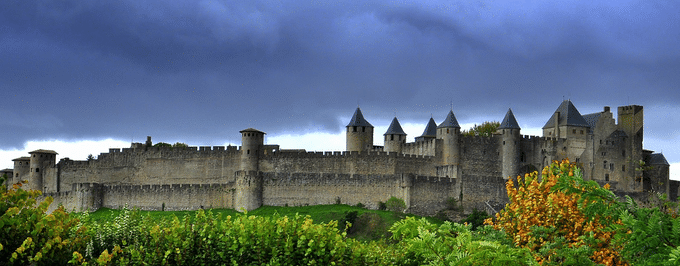
Visiting Carcassonne Castle on weekdays is ideal for avoiding crowds, especially in peak season. Weekends tend to be busier with both tourists and locals. For a more relaxed experience, a weekday visit during Carcassonne Castle hours allows you to explore the castle’s ancient walls, towers, and cobbled streets at a leisurely pace without long queues or packed tours.
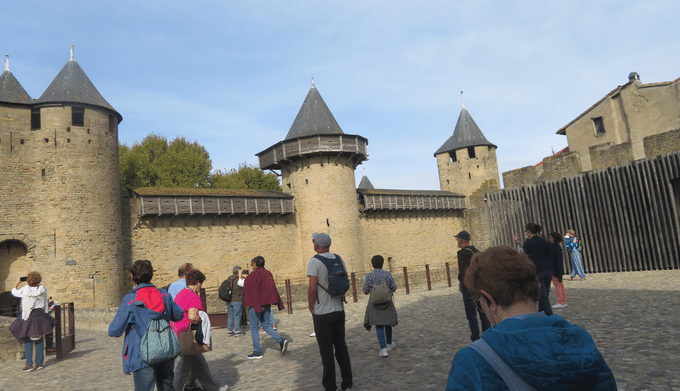
The peak season, from June to August, offers vibrant events and extended hours, but the castle can be crowded. The low season, from November to March, provides a quieter atmosphere, shorter lines, and a more peaceful exploration of the historic site. For those who prefer a relaxed visit, the low season is the best time.
How Long to Spend at Carcassonne Castle
Essential Information Before You Go
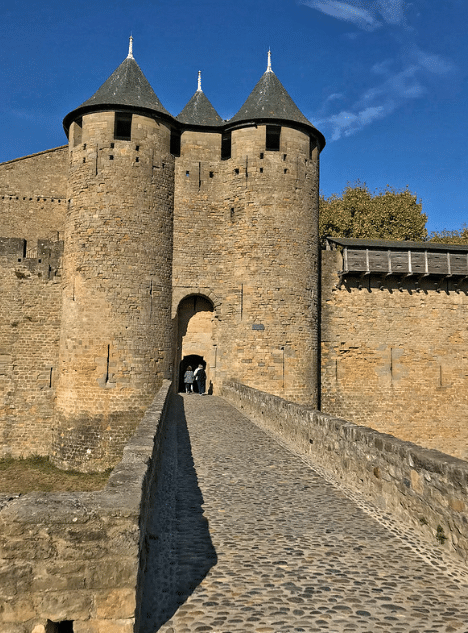
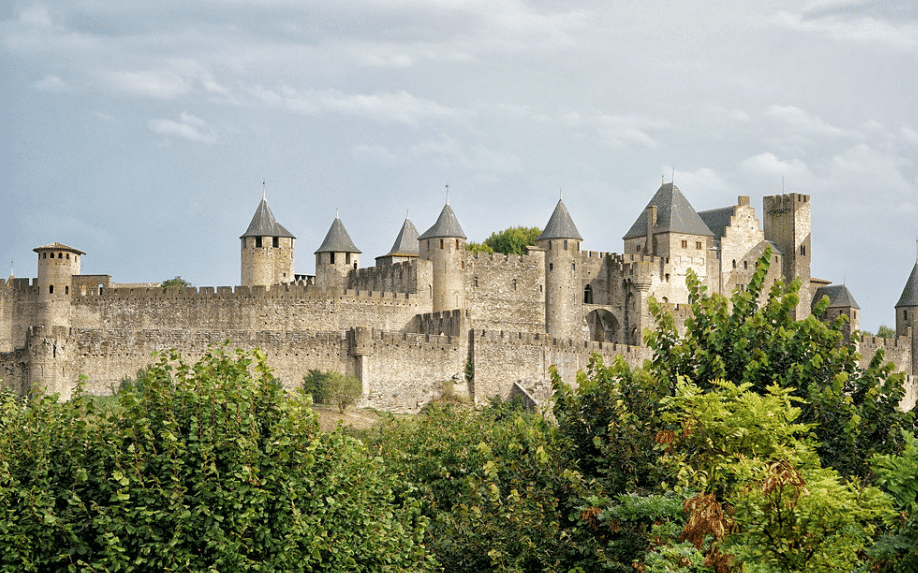
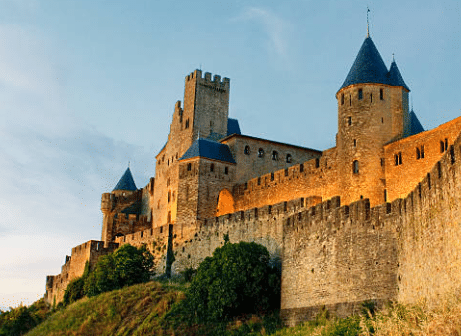
Carcassonne Castle, also known as the Cité de Carcassonne, is located in the city of Carcassonne in the Occitanie region of southern France. The castle is situated on a hill overlooking the Aude River, providing scenic views of the surrounding landscape. It is accessible by car, train, or bus, with parking available nearby. The nearest train station is Carcassonne, about a 20-minute walk away. The castle’s central location makes it an ideal destination for exploring the historic town and its surroundings.
How to Reach
Carcassonne Castle is easily accessible by various means of transport.
By Foot: Carcassonne Castle (Cité de Carcassonne) is located approximately 1 km from Carcassonne's city center. It takes around 15 to 20 minutes to walk to the castle, depending on your pace.
By Car: The Carcassonne Castle is approximately 3 km from the city center if you are driving. It will take around 5 to 10 minutes to reach the castle by car, depending on traffic.
By Train: The nearest train station is Carcassonne Train Station (Gare de Carcassonne), which is about 2.5 km from Carcassonne Castle. From the train station, it takes about 10 minutes by taxi or 30 minutes on foot to reach the castle.
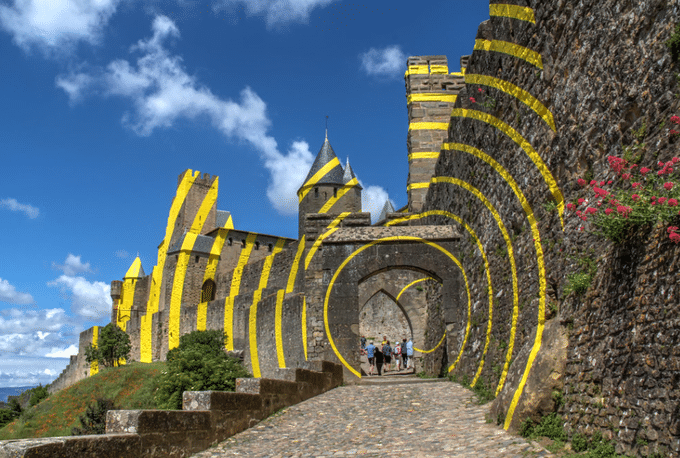
- The castle provides restroom facilities throughout the site, including accessible toilets for visitors with disabilities.
- The site is partly wheelchair accessible, though some areas may have uneven surfaces due to the medieval architecture.
- Carcassonne Castle offers various dining facilities, including cafes and restaurants that serve local French cuisine where you can enjoy meal.
- The castle offers numerous spots perfect for photography, with breathtaking views of the surrounding countryside, the Aude River, and the medieval ramparts.
- There are several parking options near Carcassonne Castle, including both free and paid parking areas.
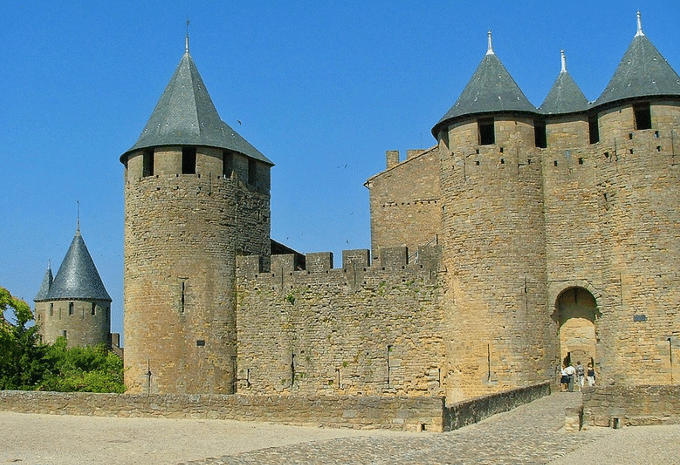
The castle has wheelchair access with limited accessibility; some areas may be difficult to navigate.
- Assistance is available for those needing help reaching certain parts of the castle.
- Pathways are cobblestone streets and uneven surfaces that may pose challenges.
- Rest Areas have benches and rest spots which are available throughout the site.
- Restrooms and the café are accessible, though some parts of the castle may still be hard to reach.
- Designated accessible parking spaces are available near the castle.
- No Smoking: Smoking is prohibited within the castle grounds.
- No Pets: Animals are not allowed, except for service dogs.
- Photography: Photography is allowed, but flash is prohibited inside the buildings.
- Food and Drink: Eating and drinking are not permitted inside the historical areas.
- Respect the Site: Follow all posted rules and avoid touching artefacts.
- Quiet Zones: Maintain a respectful noise level to preserve the tranquil atmosphere.
FAQs
What is Carcassonne Castle famous for?
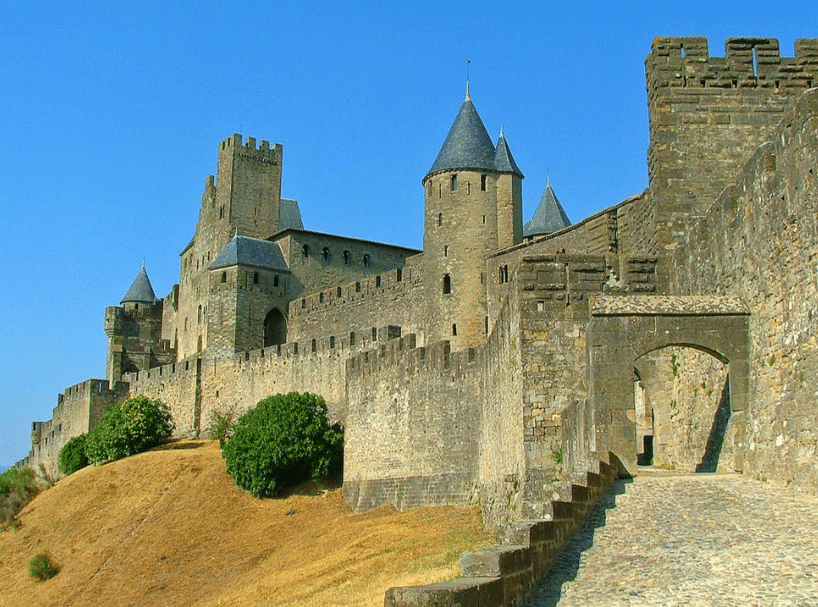
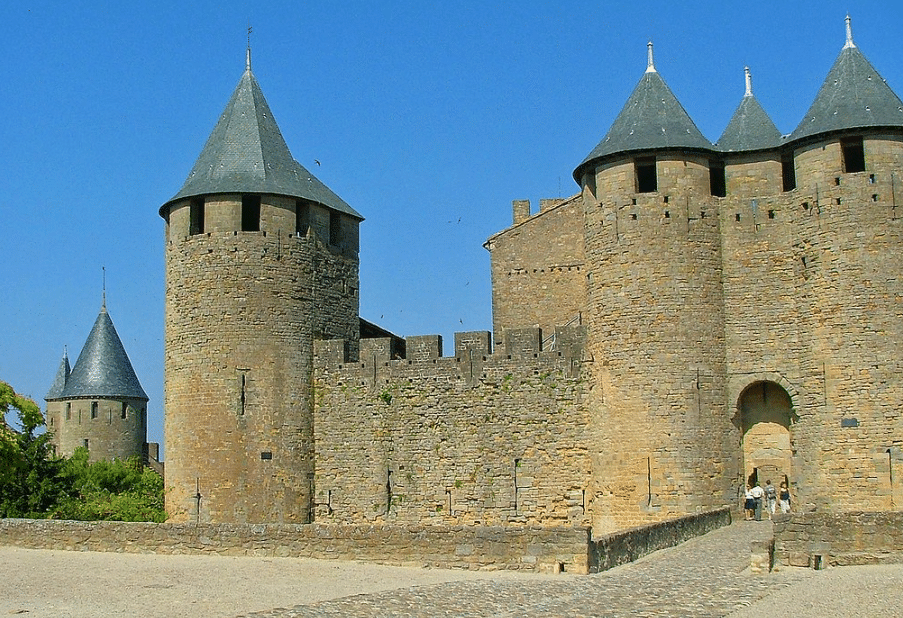
Carcassonne Castle is famous for its well-preserved medieval fortifications and its impressive double-walled defences, making it one of Europe's most iconic fortified cities. Famous for its picturesque towers, ramparts, and drawbridges, it provides a vivid glimpse into medieval military architecture. The castle’s rich history dates back to Roman times, and it is a UNESCO World Heritage site. Its scenic beauty and historical significance draw visitors from around the world, offering a fascinating journey into the past.
Is there an entrance fee to visit Carcassonne Castle?
Yes, there is an entrance fee to visit Carcassonne Castle. Ticket prices vary based on age, nationality, and the type of visit (standard, guided tour, or special exhibitions). Ticket prices are approximately INR 880 for adults and INR 710 for concessions, though rates can vary. It is best to check the official site for current pricing.
Is photography allowed inside Carcassonne Castle?
Photography is allowed inside Carcassonne Castle, but the use of flash is prohibited. Visitors are encouraged to respect the historical artefacts and avoid disturbing other guests. For the best experience, check for any specific rules or restrictions upon arrival, as policies may change.
Is Carcassonne Castle open on public holidays?
Carcassonne Castle is generally open on public holidays. However, it may have reduced hours or be closed on certain holidays like January 1st, May 1st, November 1st, November 11th, and December 25th. It is best to check the official website for up-to-date information on holiday openings and Carcassonne Castle timings.
What are some tips to remember while visiting Carcassonne Castle?
- You should buy tickets in advance to avoid long lines.
- You should wear comfortable shoes as the castle features cobblestone streets and uneven surfaces.
- You are required to check the opening hours to verify seasonal hours and holiday closures before visiting.
- Bring a camera as photography is allowed, but avoid using flash inside buildings.
- Respect the rules and follow site regulations, including limiting smoking and limiting food in historic areas.
- Stay hydrated and carry water, especially during hot weather, as food and drink are restricted inside.
- You can consider a guided tour and enhance your visit with insights from professional guides.
- Be mindful of accessibility as some areas may be challenging for those with reduced mobility.